Vitrum
dean erdmann
Mar7–Apr182026
Company Gallery is pleased to announce Vitrum, a solo exhibition by dean erdmann, on view from March 7 through April 18, 2026. Marking their first presentation at the gallery, erdmann debuts a new body of sculptural and photographic works that explore the material conditions and social imaginaries of desert environments.
At the center of the exhibition is a one-to-one–scale glass reproduction of a Yamaha Warrior, a four-wheeled ATV introduced in 1987 and popularized for its enhanced stability and engine power. Using a range of glass-casting techniques—including hot-blown molds and kiln casting—erdmann fabricates the vehicle’s individual components and reassembles them into a deconstructed form. The resulting sculpture evokes both the curvature of the human body and the layered topographies of desert landscapes.
As a technology of mobility, the ATV embodies ideals of autonomy, power, and freedom. Yet its use within desert terrains situates these promises within working-class practices and broader political economies of extractive land use and occupation. Modeled on the lunar rover developed under the U.S. Cold War space program, the ATV bridges desert and lunar landscapes, and carries forward a logic of technological and militarized acceleration into its afterlife. Today, the ATV is used for recreation, agriculture, and military training, reinforcing settler-colonial narratives that cast desert land as empty and conquerable rather than a lived, relational ecology. The sculptures’ rubber-coated platforms activate these varied contexts through sensation: emitting an industrial odor, they evoke commercial production and toxicity, as well as rubber’s erotic charge as a substance of speed and friction.
For erdmann, the ATV is inseparable from the social and geographic conditions of the Mojave Desert, where they were raised. Witnessing the shifting uses of surrounding land has shaped their engagement with the form. Sites such as the former George Air Force Base—now a toxic zone housing a federal prison—alongside the expansion of data storage centers, solar power plants, and ICE detention facilities, reveal the desert as a contested landscape structured by the entanglement of working-class life and the dispossessive violence of state and corporate power.
Glass is central to the artist’s practice. An amorphous solid—neither fully liquid nor fully fixed—it is formed through the transformation of silica sand under extreme heat. This material origin situates the work within desert geographies, while glass’s molecular instability reconfigures an object long associated with hypermasculinity into something fragile, contradictory, and uncontained. Additionally, a series of photograms installed along the gallery walls foreground glass’s fundamental role in perception and image-making. The works were created by placing the glass-blown engine and tire directly onto light-sensitive paper, producing faint, ghostlike impressions of mechanical form.
erdmann began this project in 2022, working across photogrammetry, 3D modeling, glassblowing, and casting. Through these time- and labor-intensive methods, Vitrum meditates on the ATV as a charged artifact and as a manifestation of the uses and misuses of desert land.
– Shoghig Halajian
dean erdmann is an interdisciplinary artist working with moving and still image, sculpture, and installation. erdmann has been awarded numerous fellowships including Vera List Center for Art+Politics Fellow (2018–2020); Urban Glass Fellow (2019); California Community Foundation Fellow (2013); and was a recipient of a Center for Cultural Innovation grant. Their work has been exhibited at ONE Archives, Los Angeles, CA; the MexiCali Biennial, Whittier, CA; the Hammer Museum, Los Angeles, CA; REDCAT, Los Angeles, CA; 21st Century Museum of Contemporary Art, Kanazawa, Japan; Spiral Hall, Tokyo, Japan; Kavi Gupta Berlin, Germany; the Sheila Johnson Design Center, New York, NY; Torrance Art Museum, Torrance, CA; and Public Fiction, Los Angeles, CA among many others. Their permanent public commission for the Los Angeles Metro system opened in Fall 2022 at the Leimert Park Station (Crenshaw Line).
They collaborated with an evolving team of dedicated artists and producers — Grace Whiteside, Celeste Wilson, Christopher Duffy, Esteban Salazar-Cucalon, Michael Haddy, and James Corporan, while receiving support from fellowships and residencies at the Vera List Center for Art and Politics, Urban Glass, and The Chinati Foundation. They live and work between Brooklyn, NY and San Diego, CA.
Selected Works
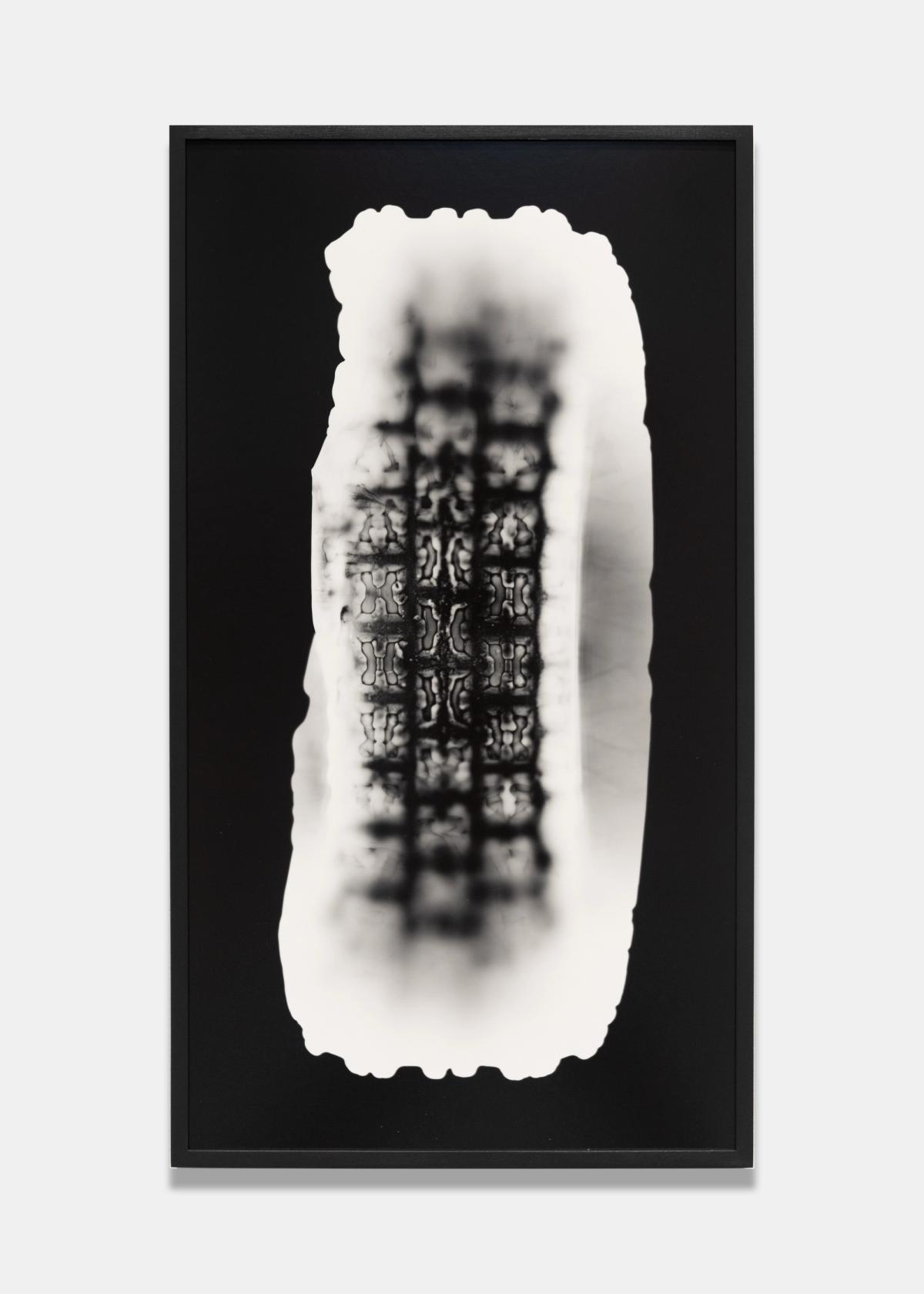
dean erdmann
untitled (itp),
2026
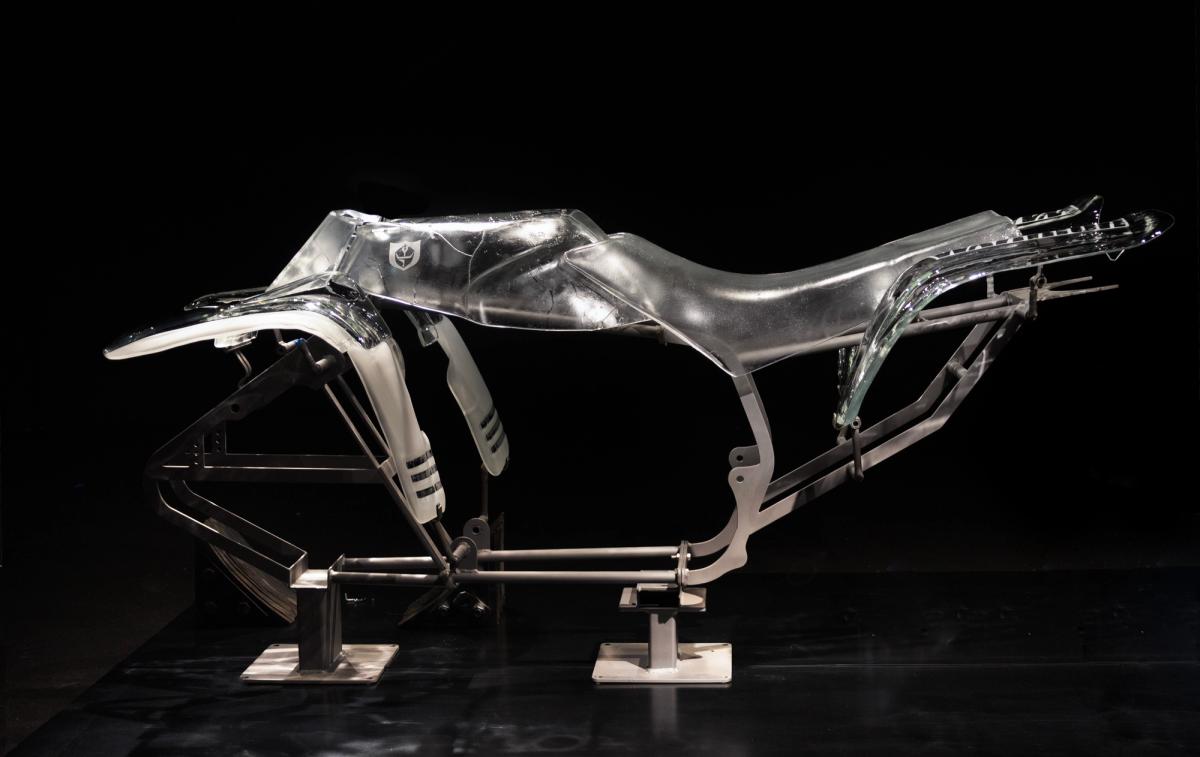
dean erdmann
quad warrior,
2026
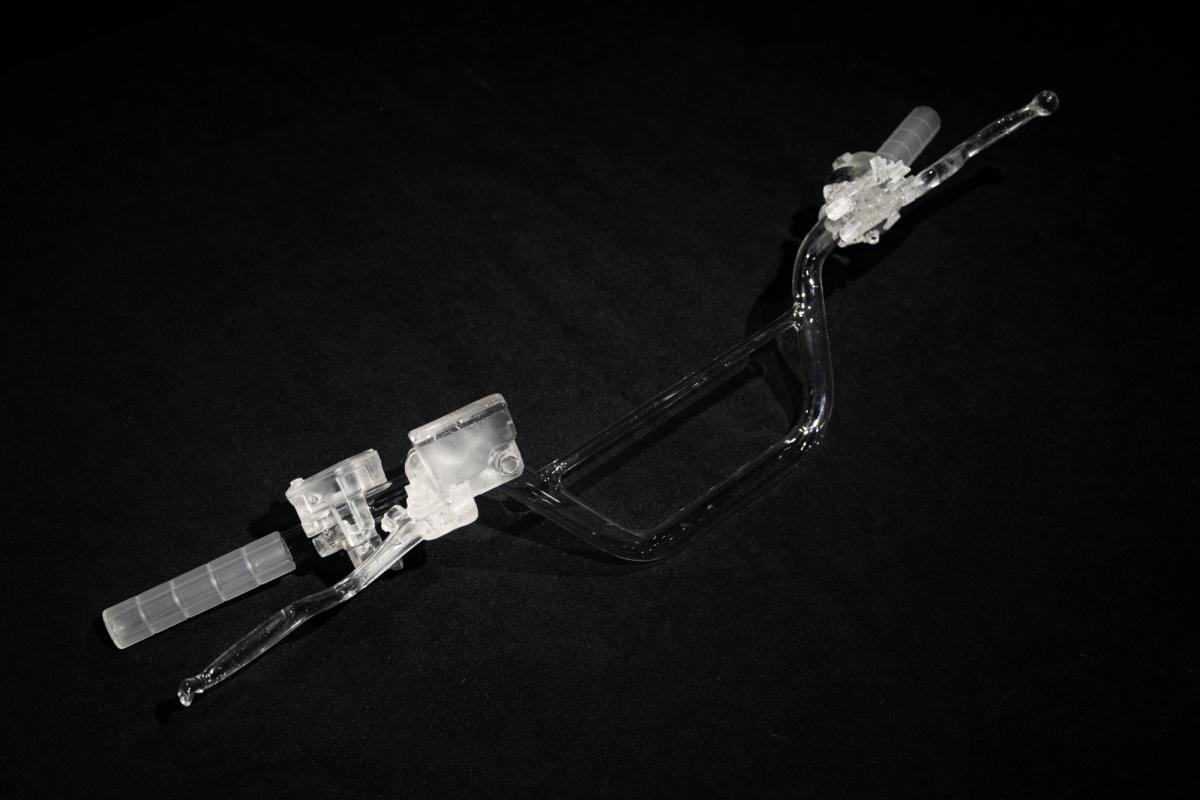
dean erdmann
handlebars,
2026
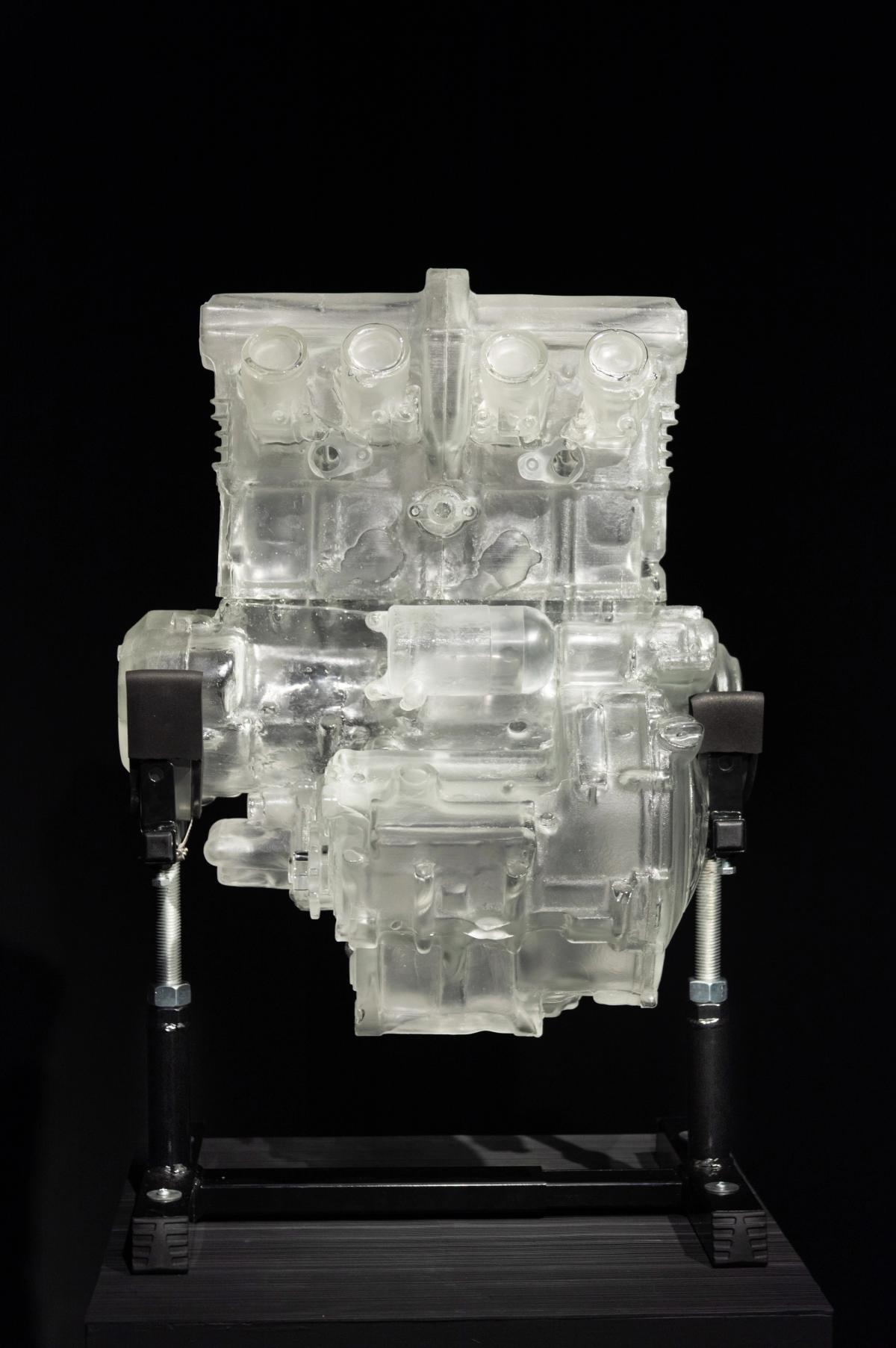
dean erdmann
700cc,
2026
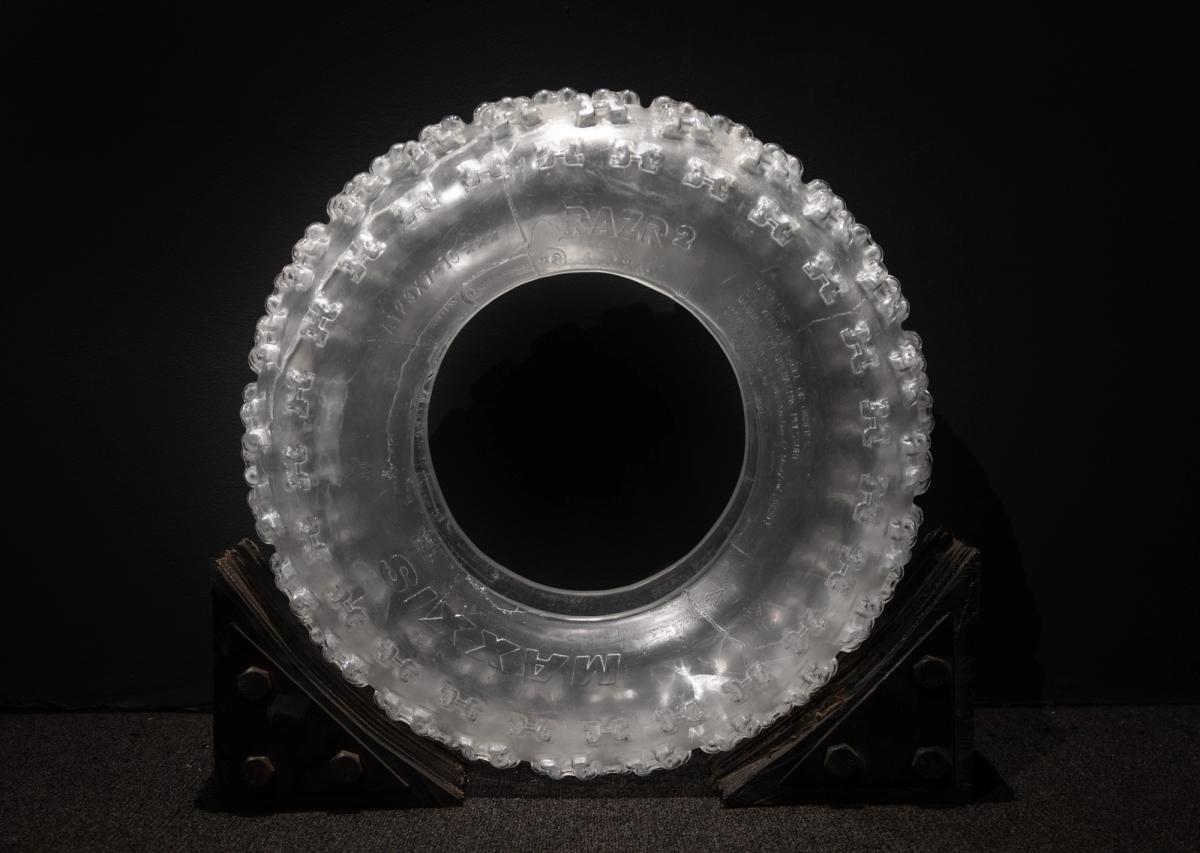
dean erdmann
razr 2 (front),
2026
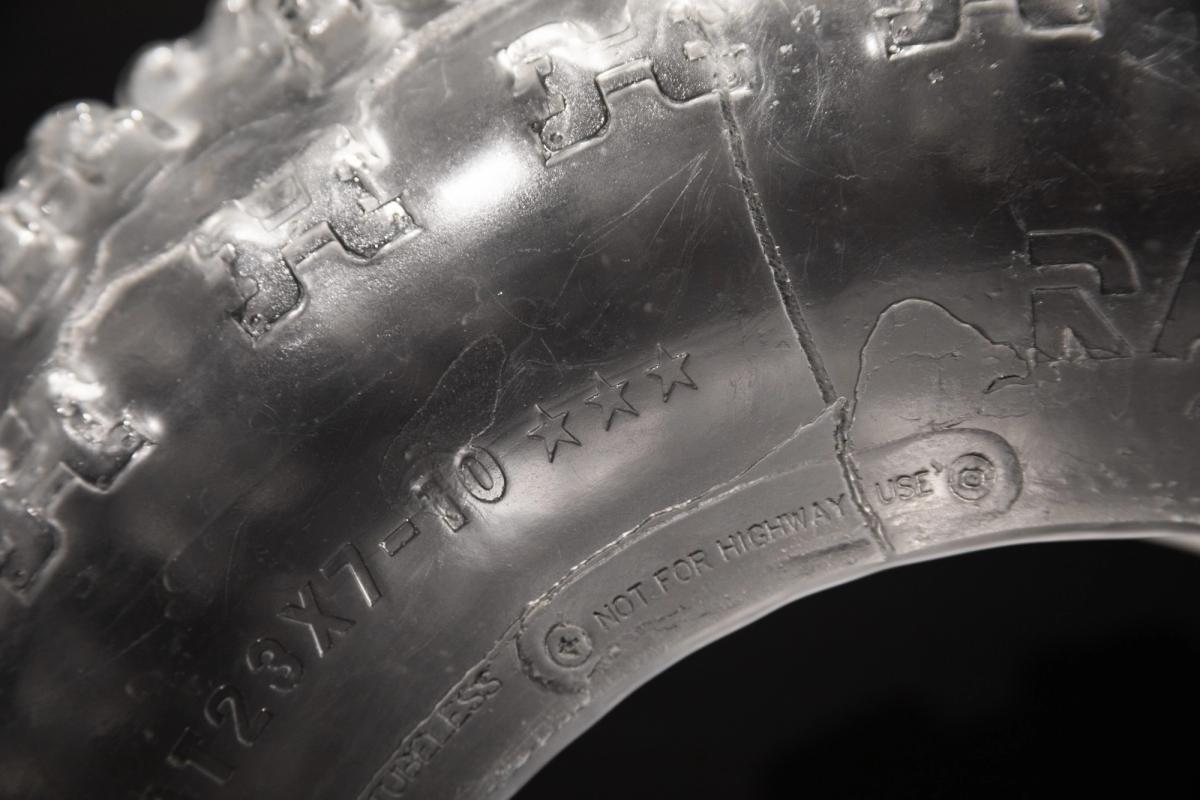
dean erdmann
razr 2 (front), detail,
2026
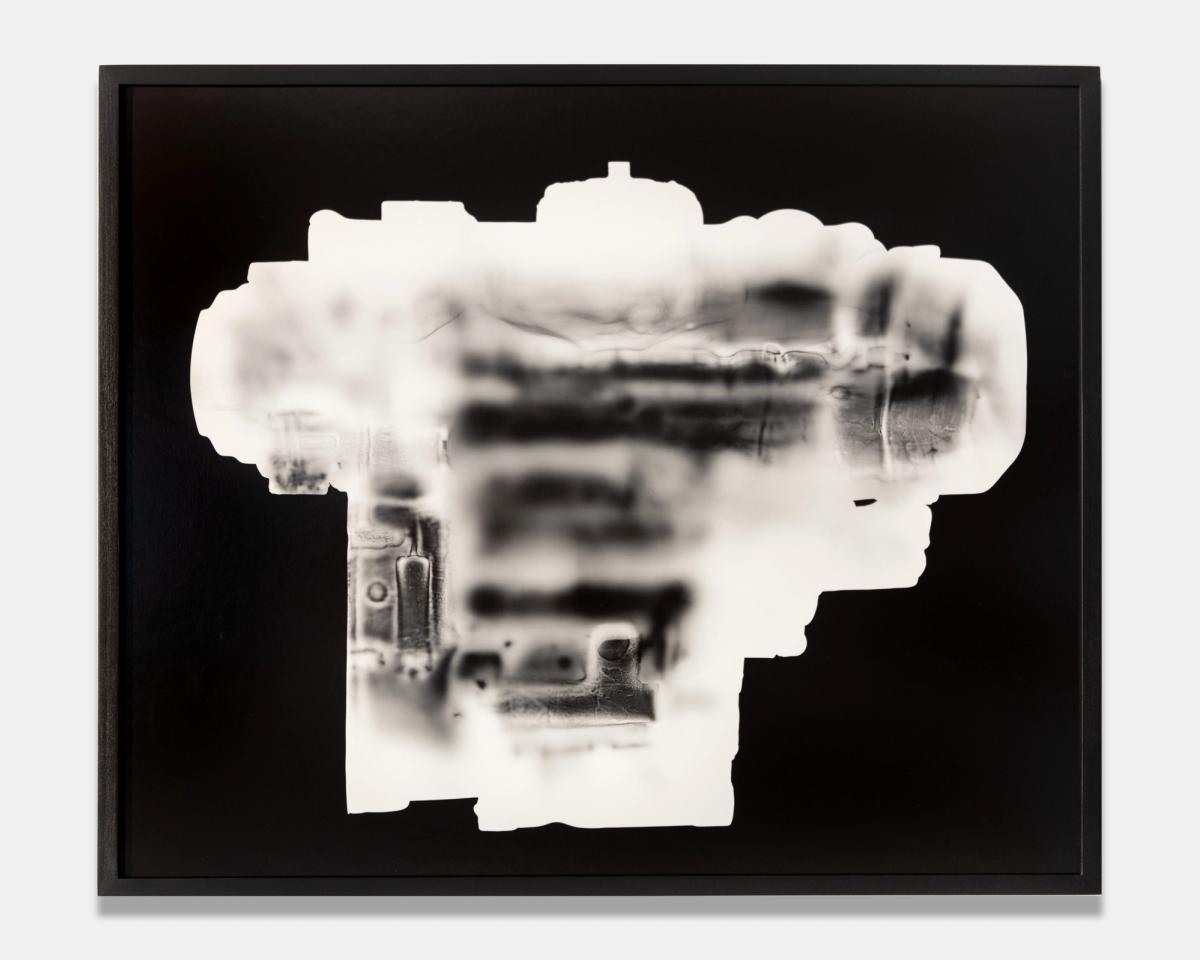
dean erdmann
untitled (engine),
2026
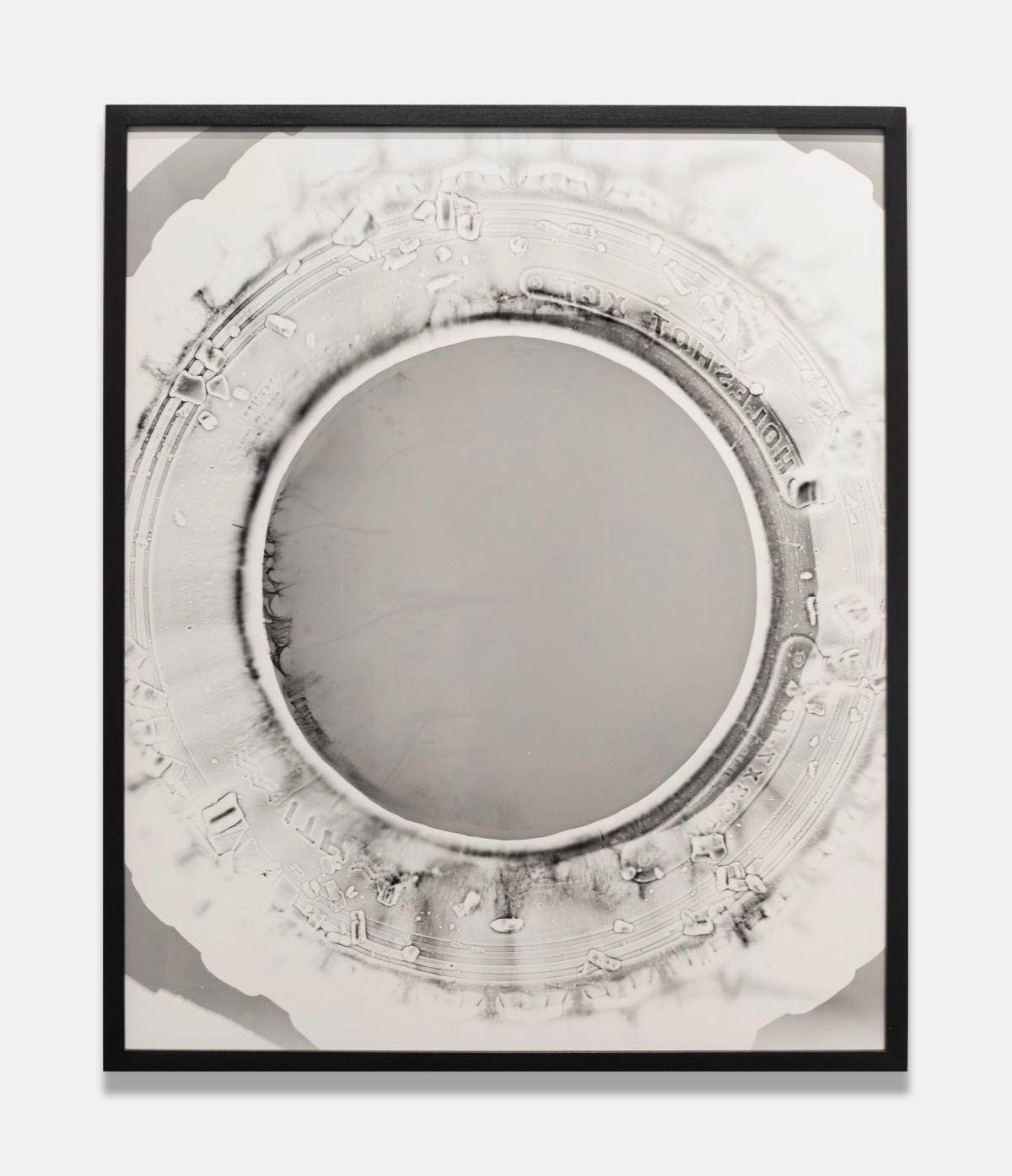
dean erdmann
untitled (horizon),
2026